DISEASE
DIS-EASE
2024
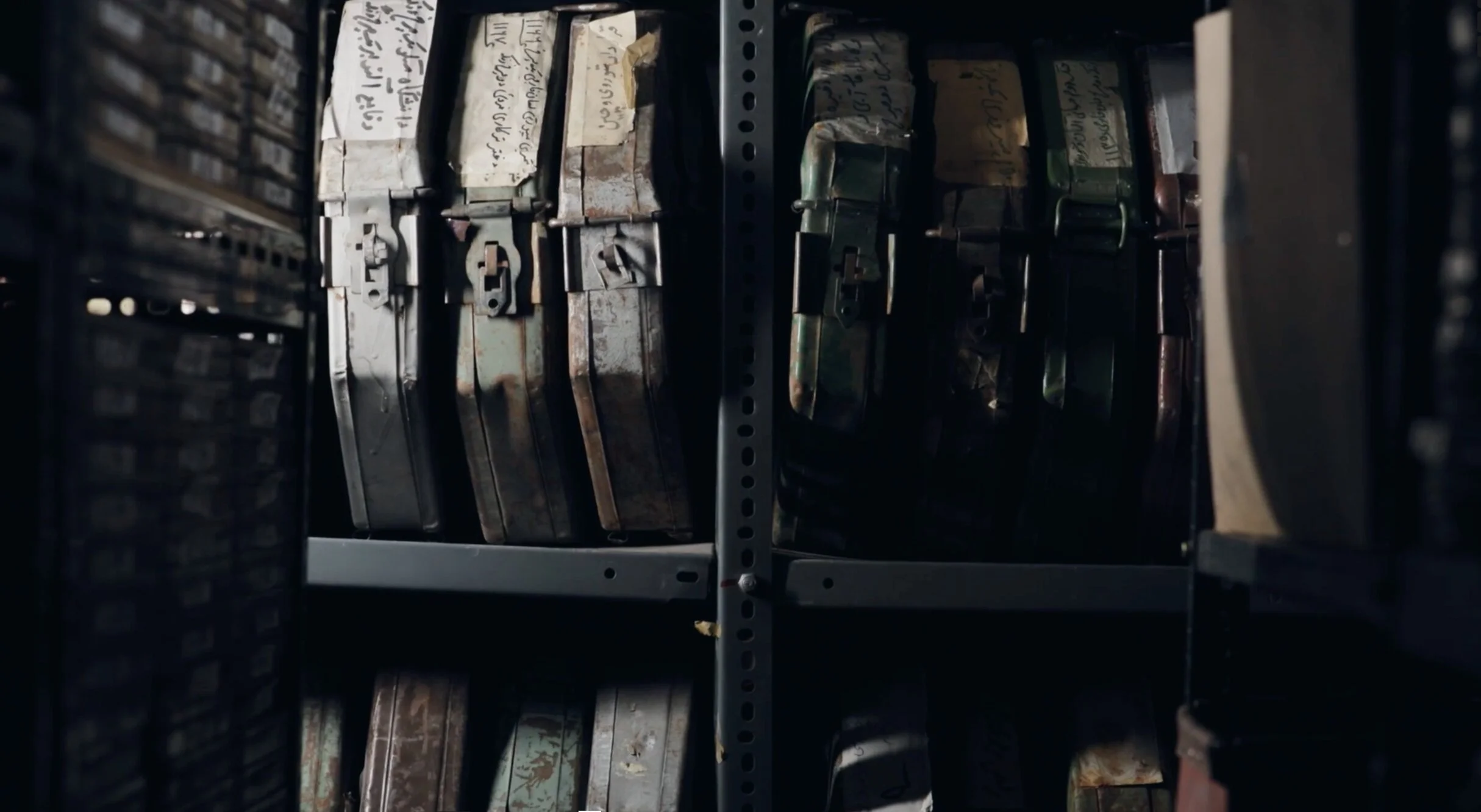
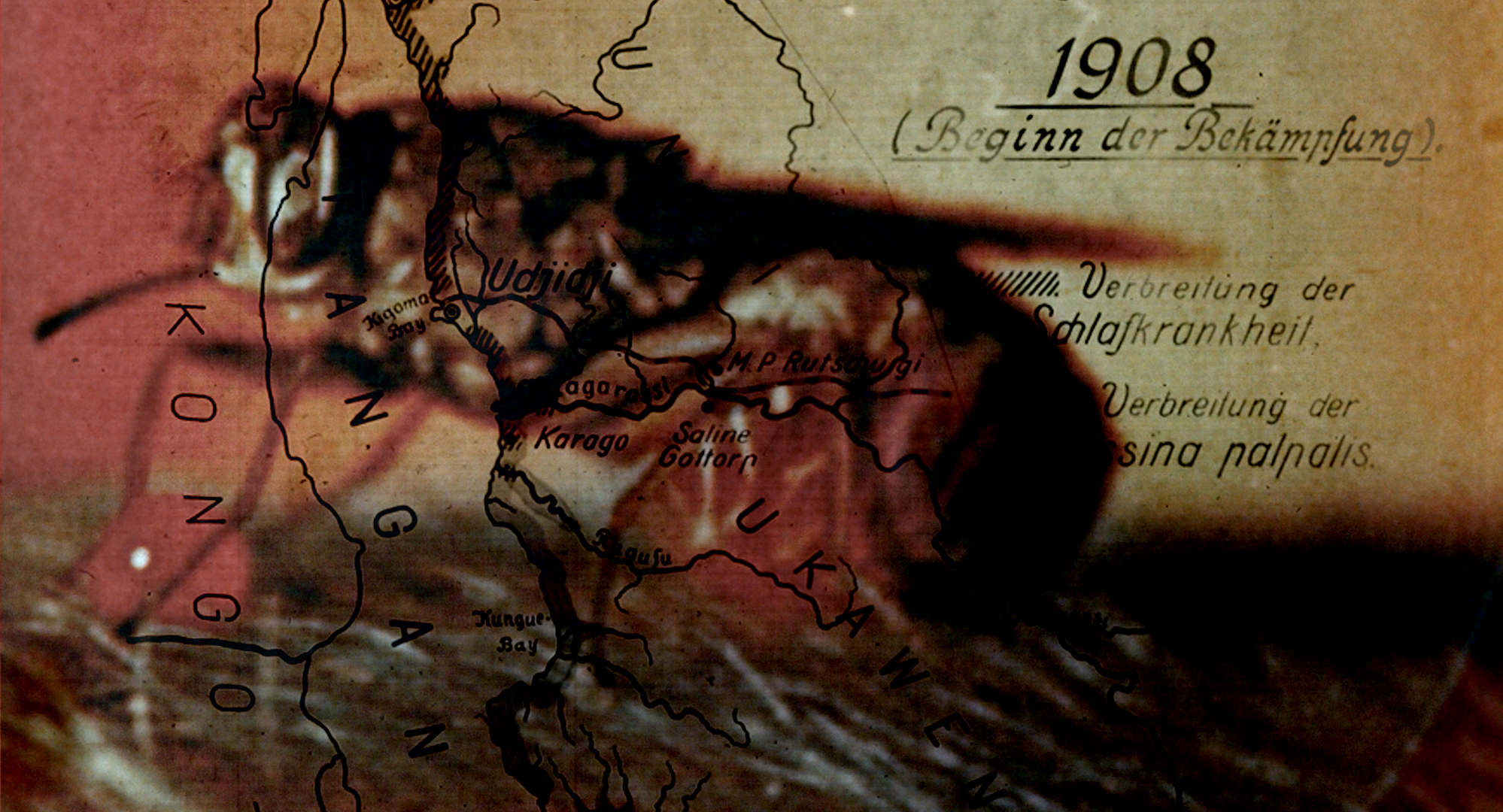
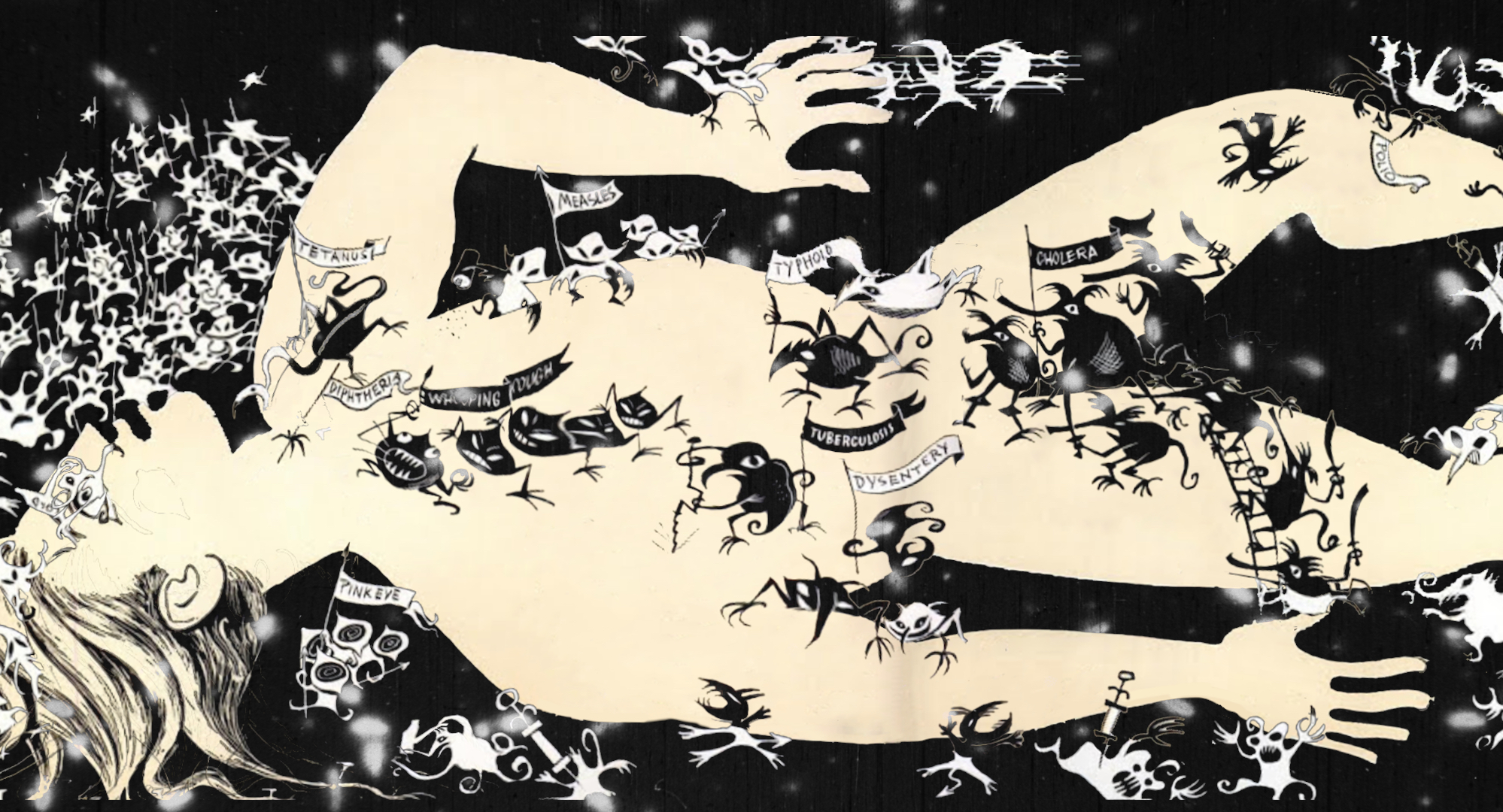
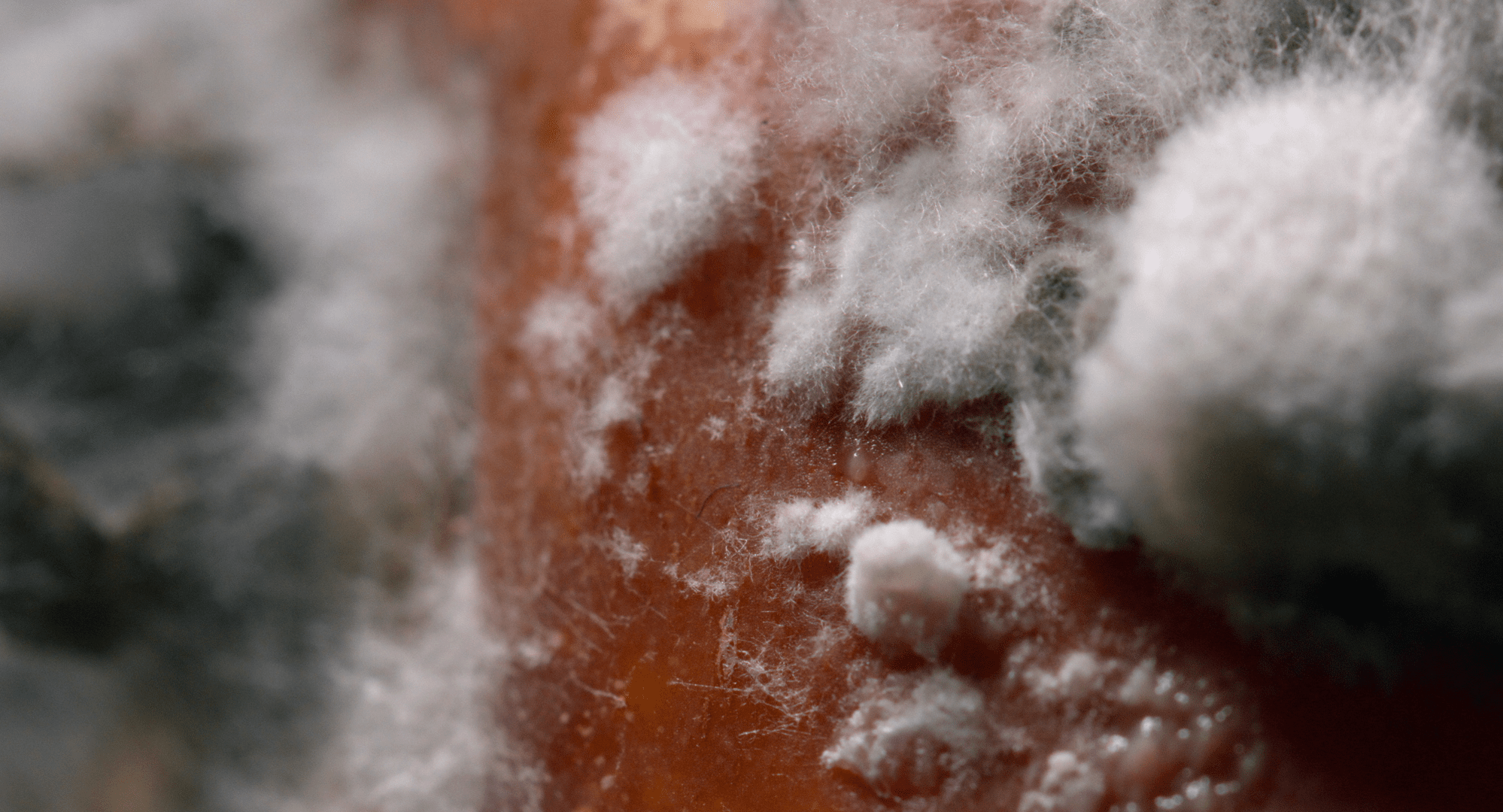
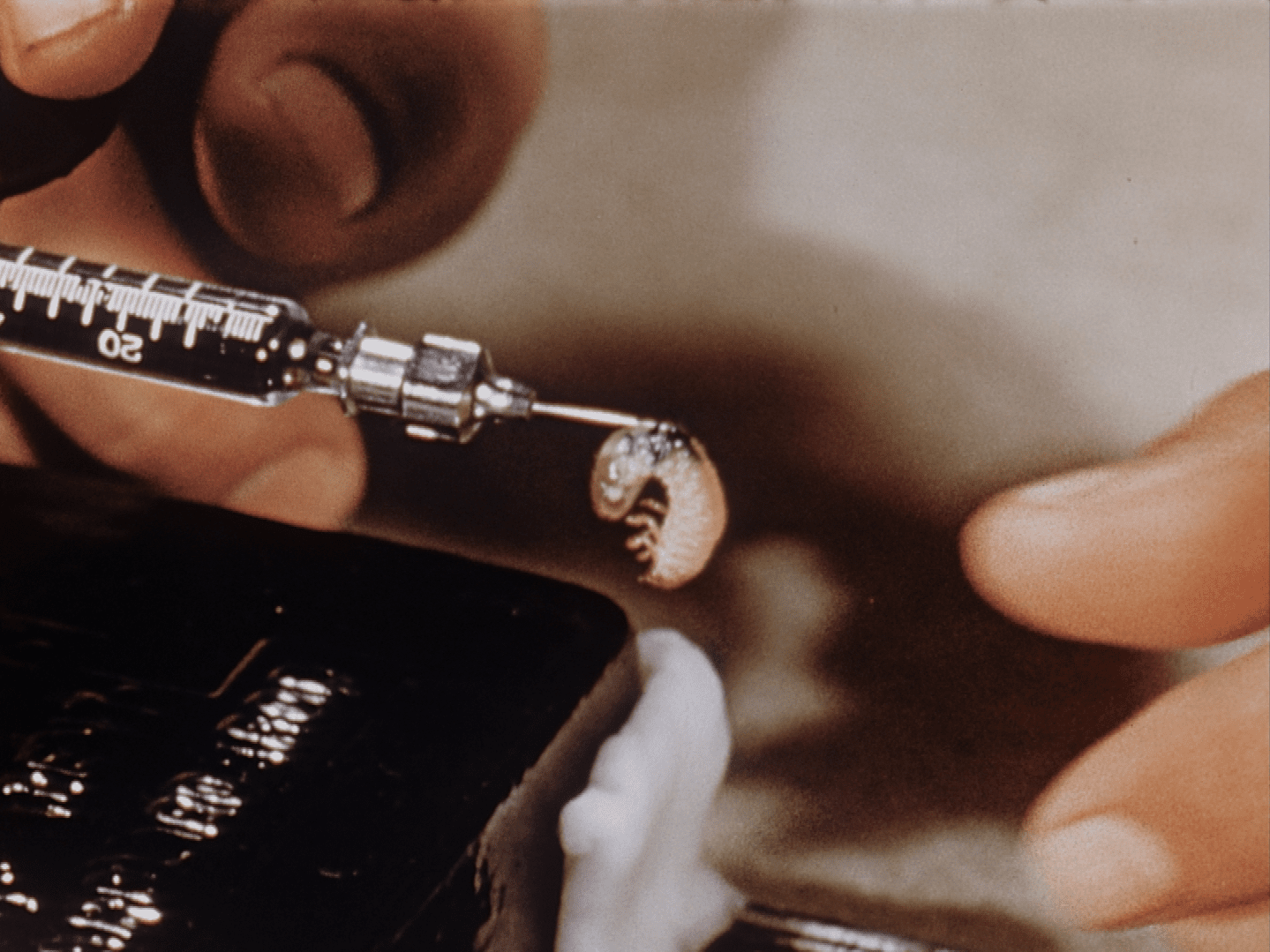
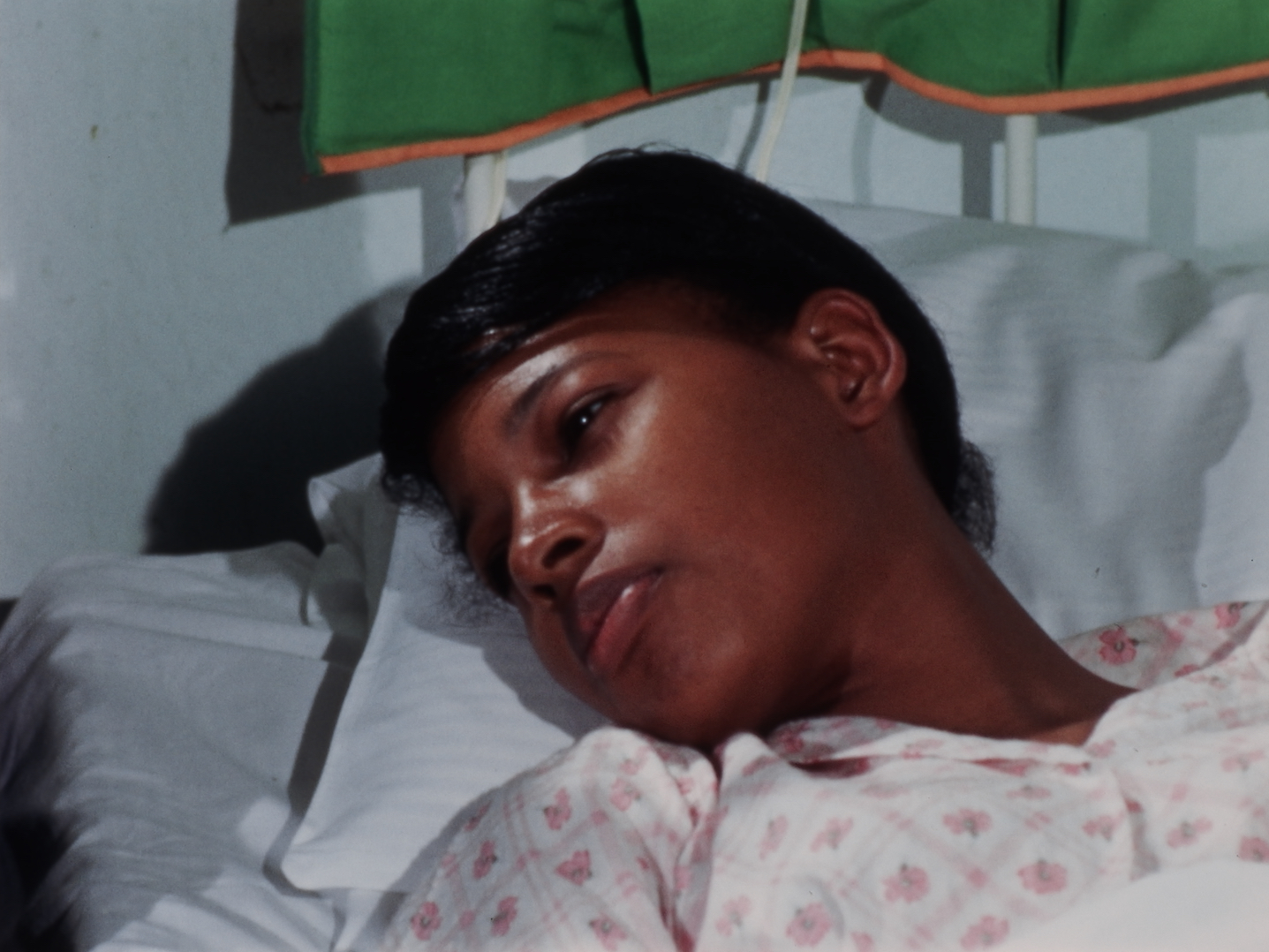
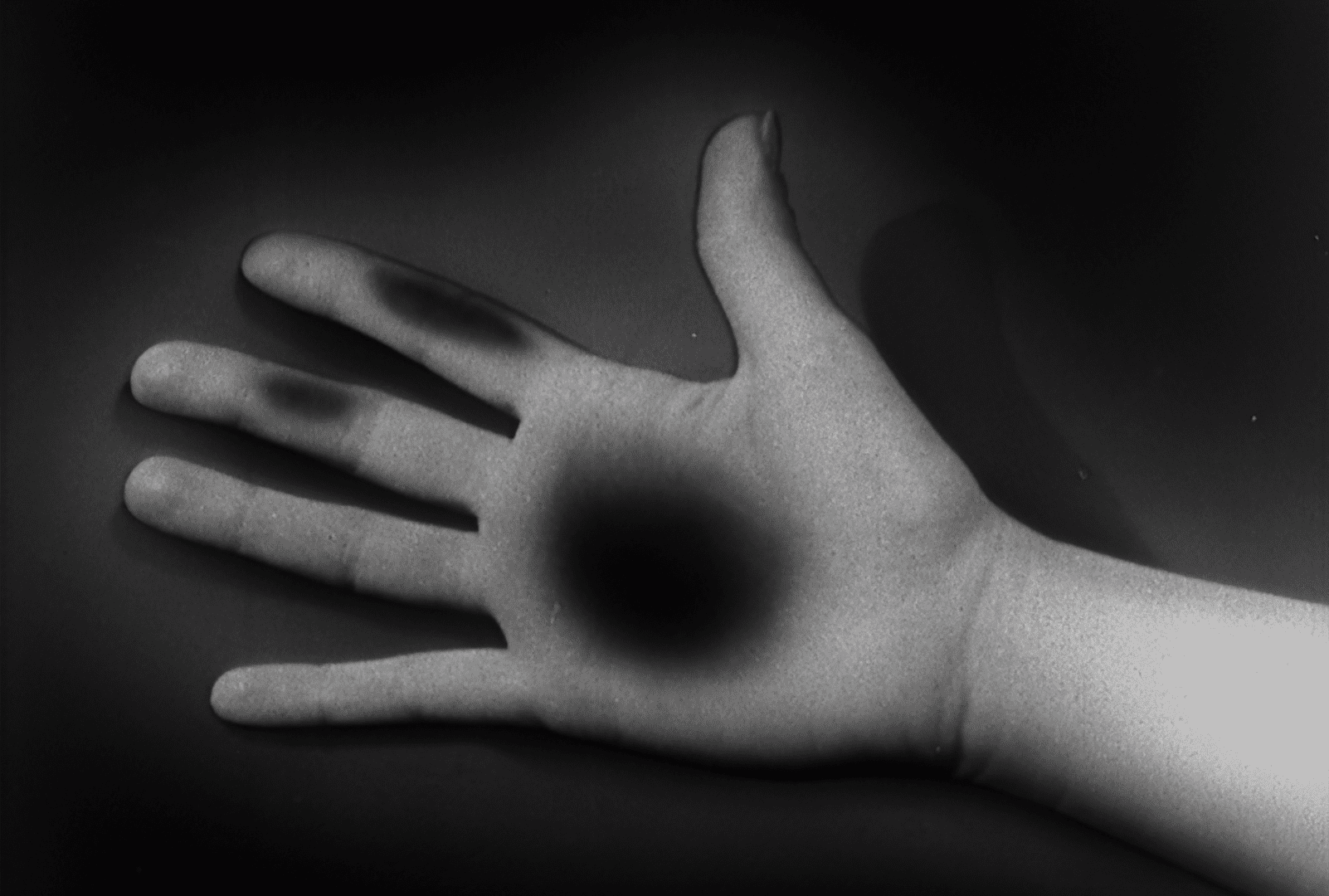
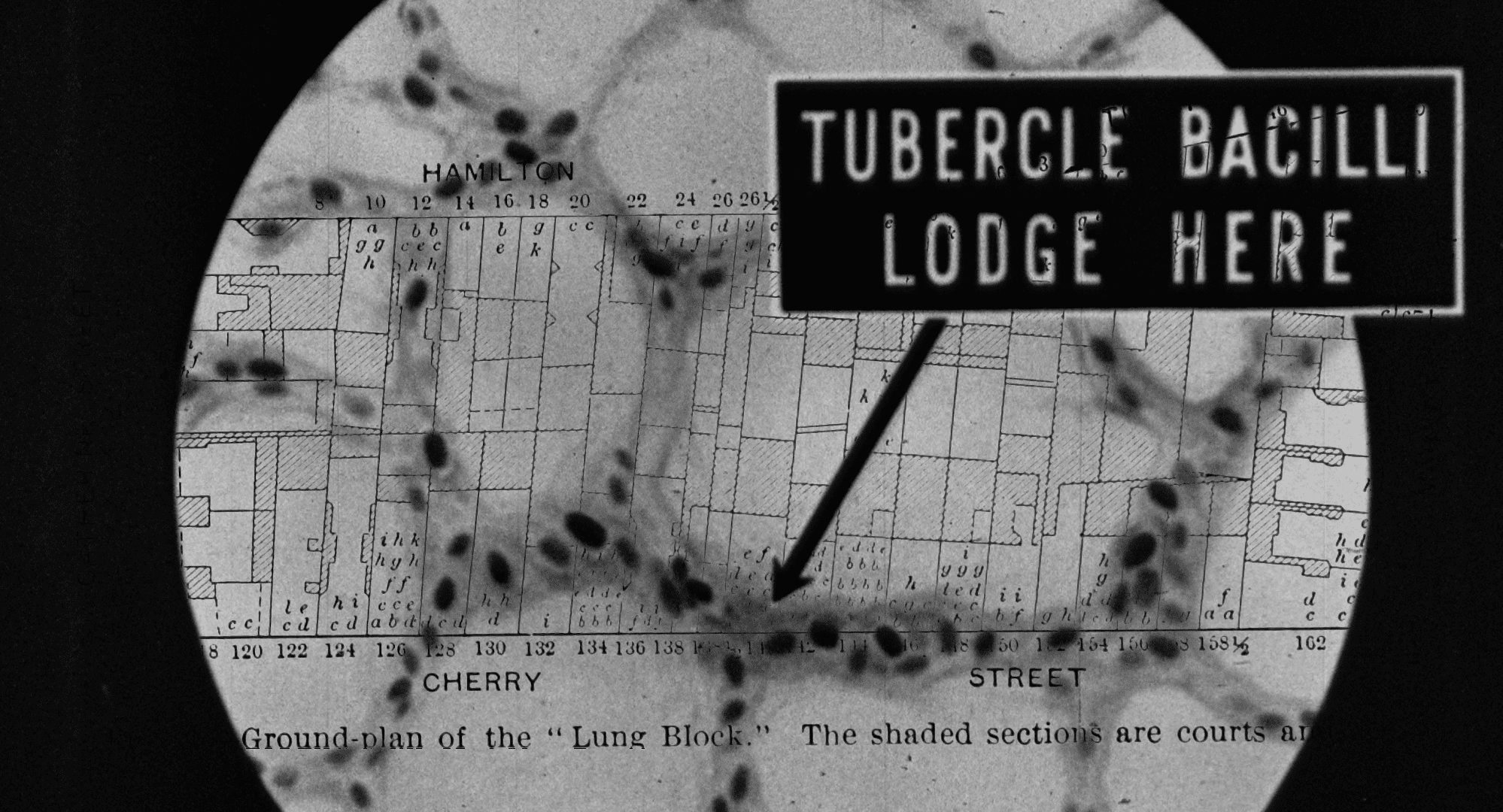
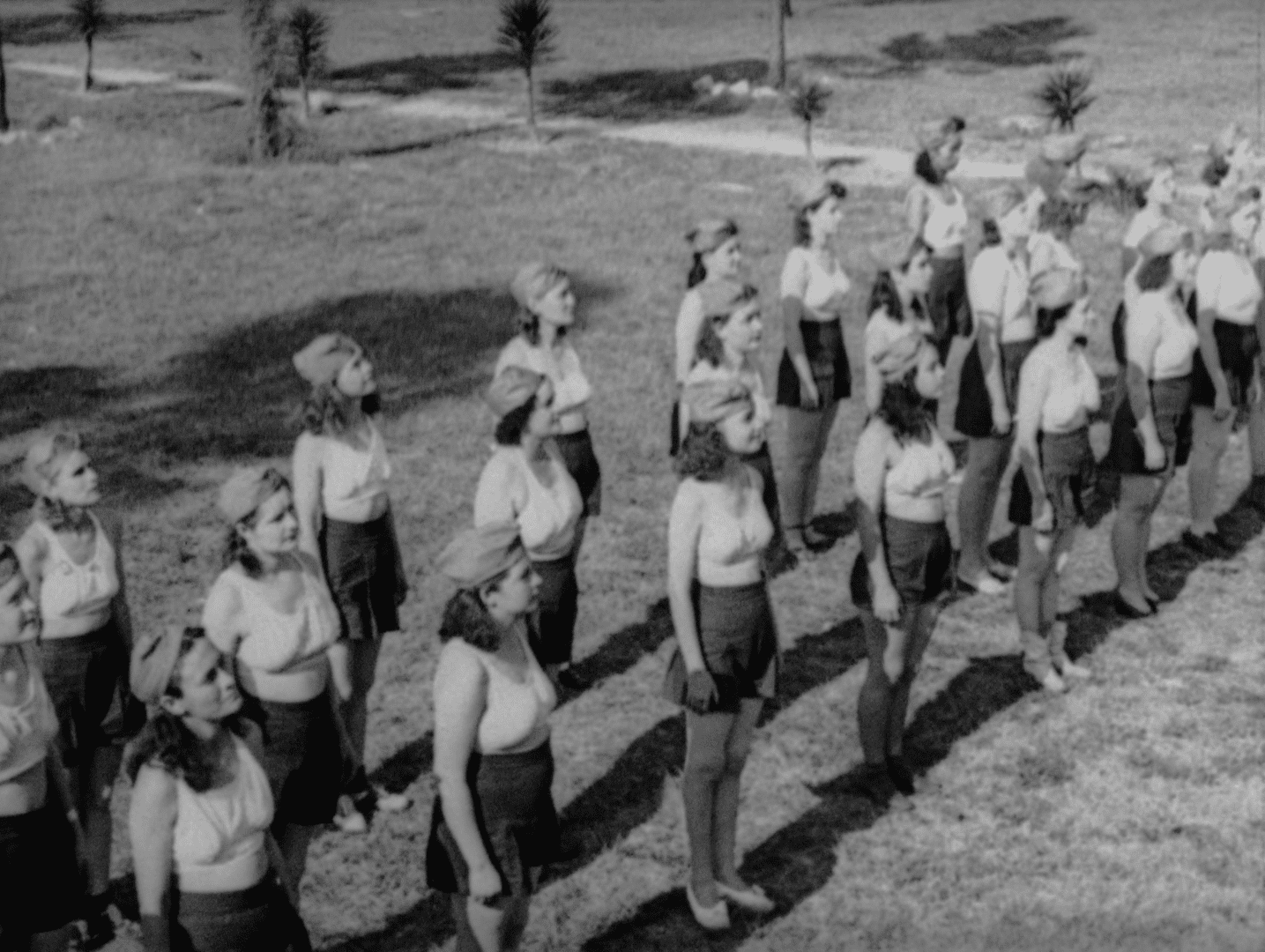
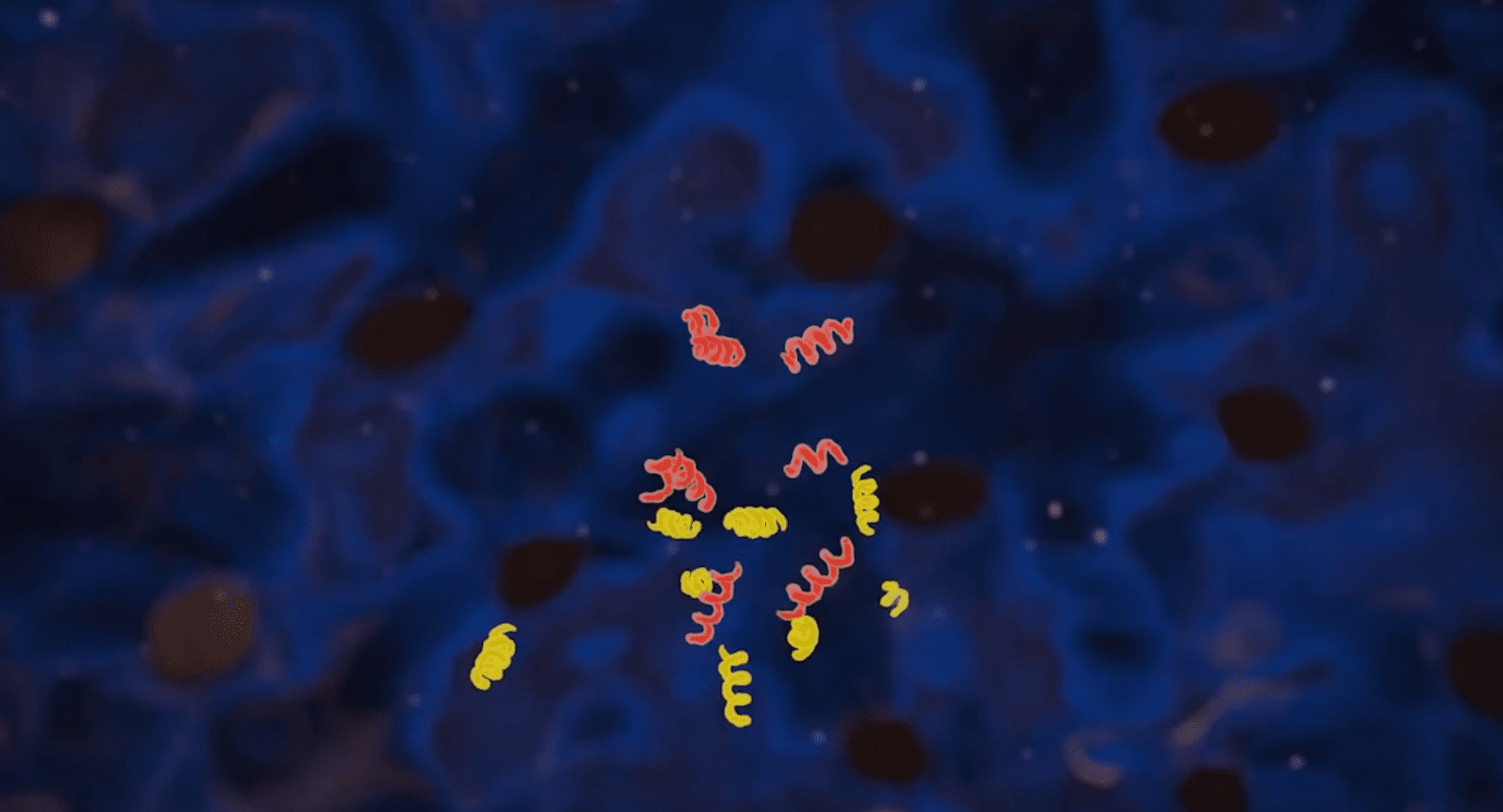
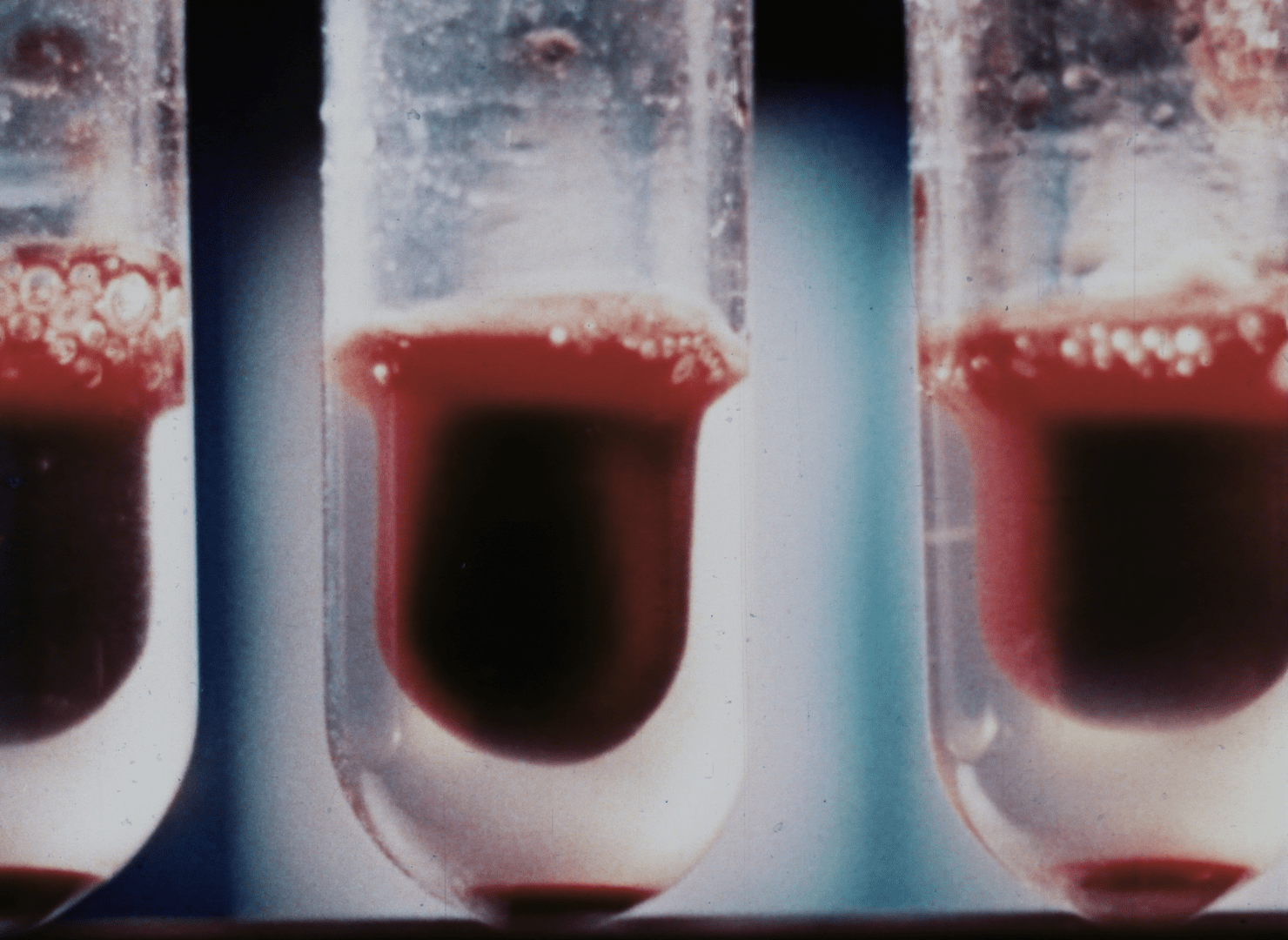
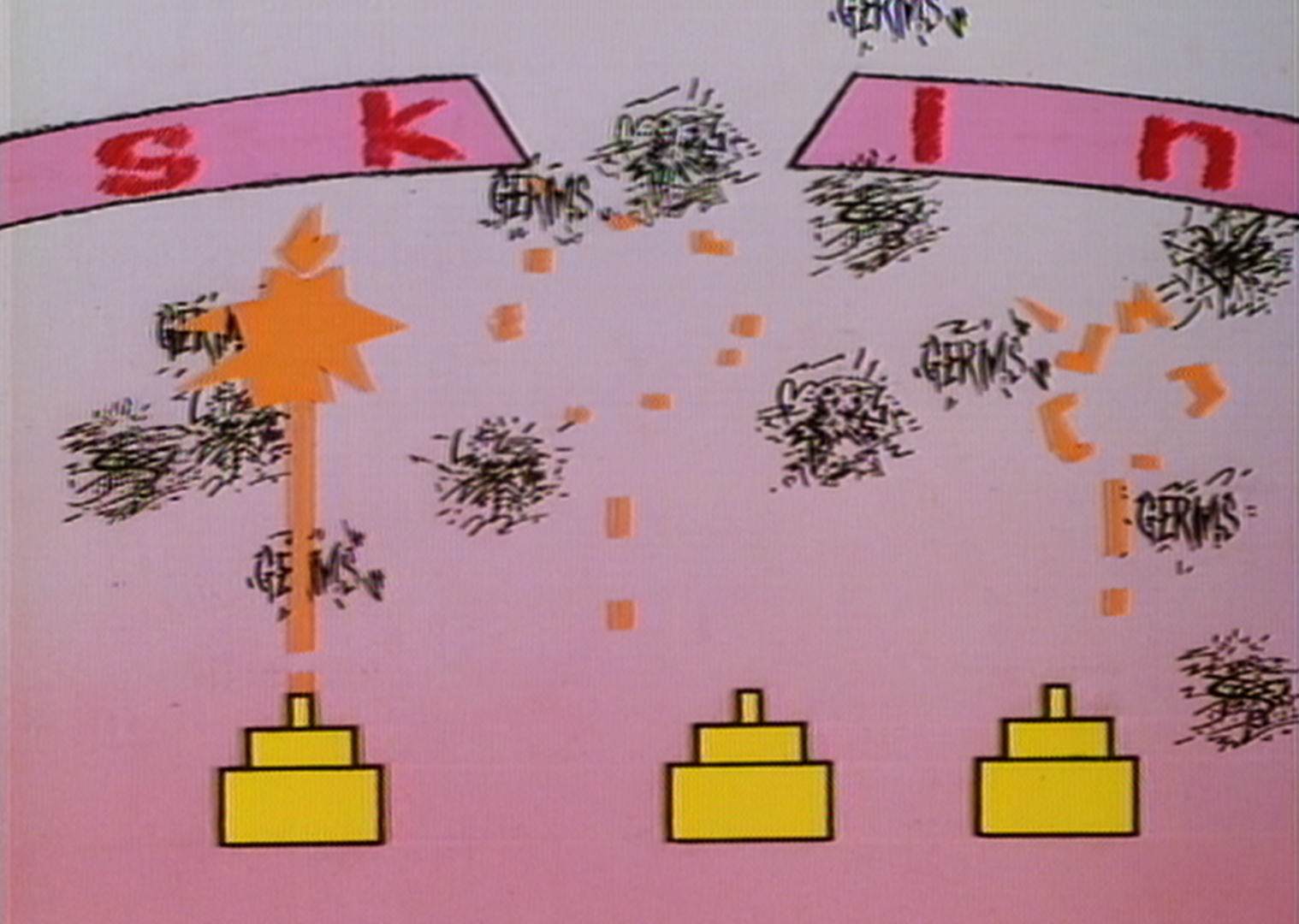
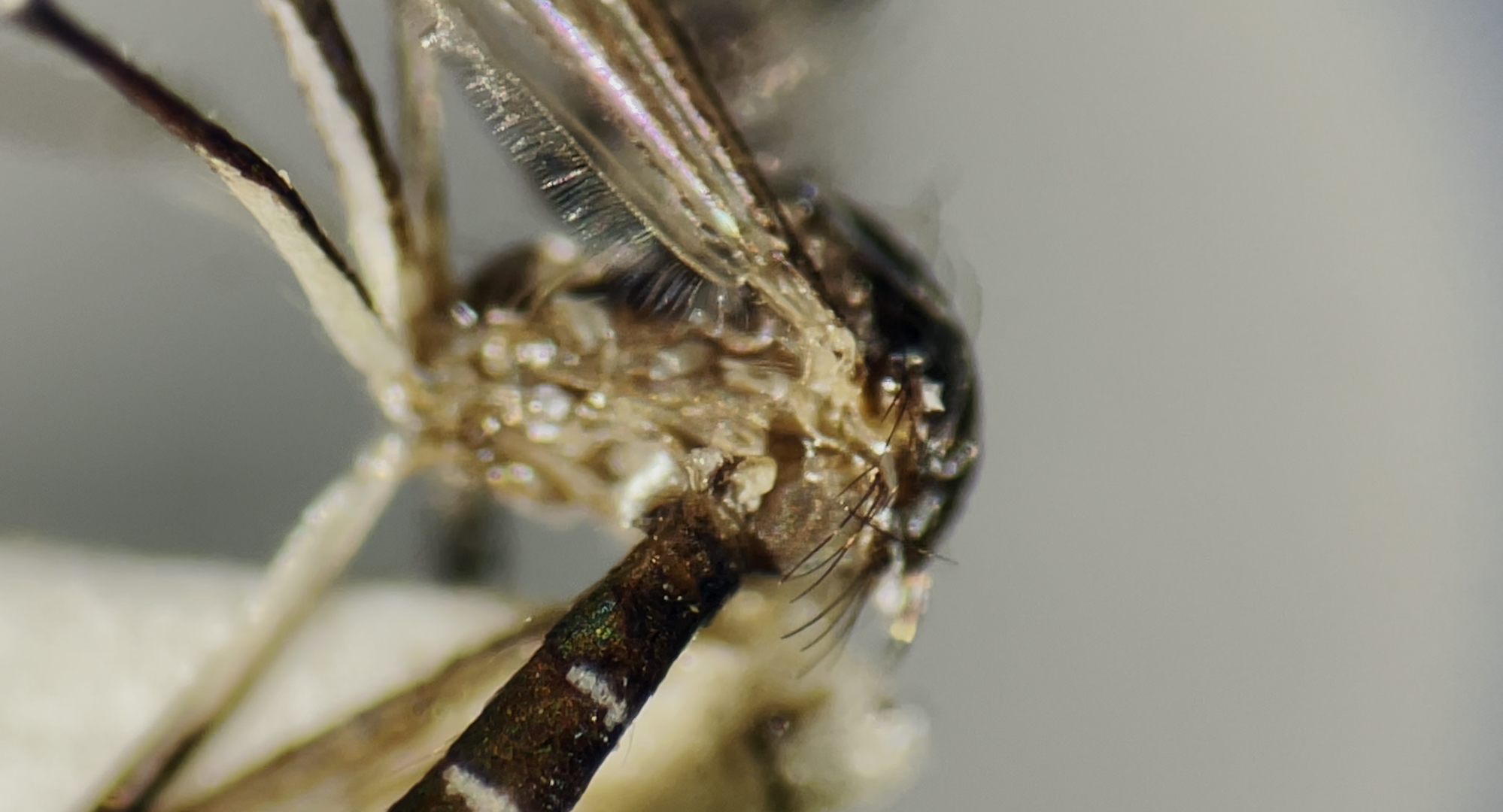
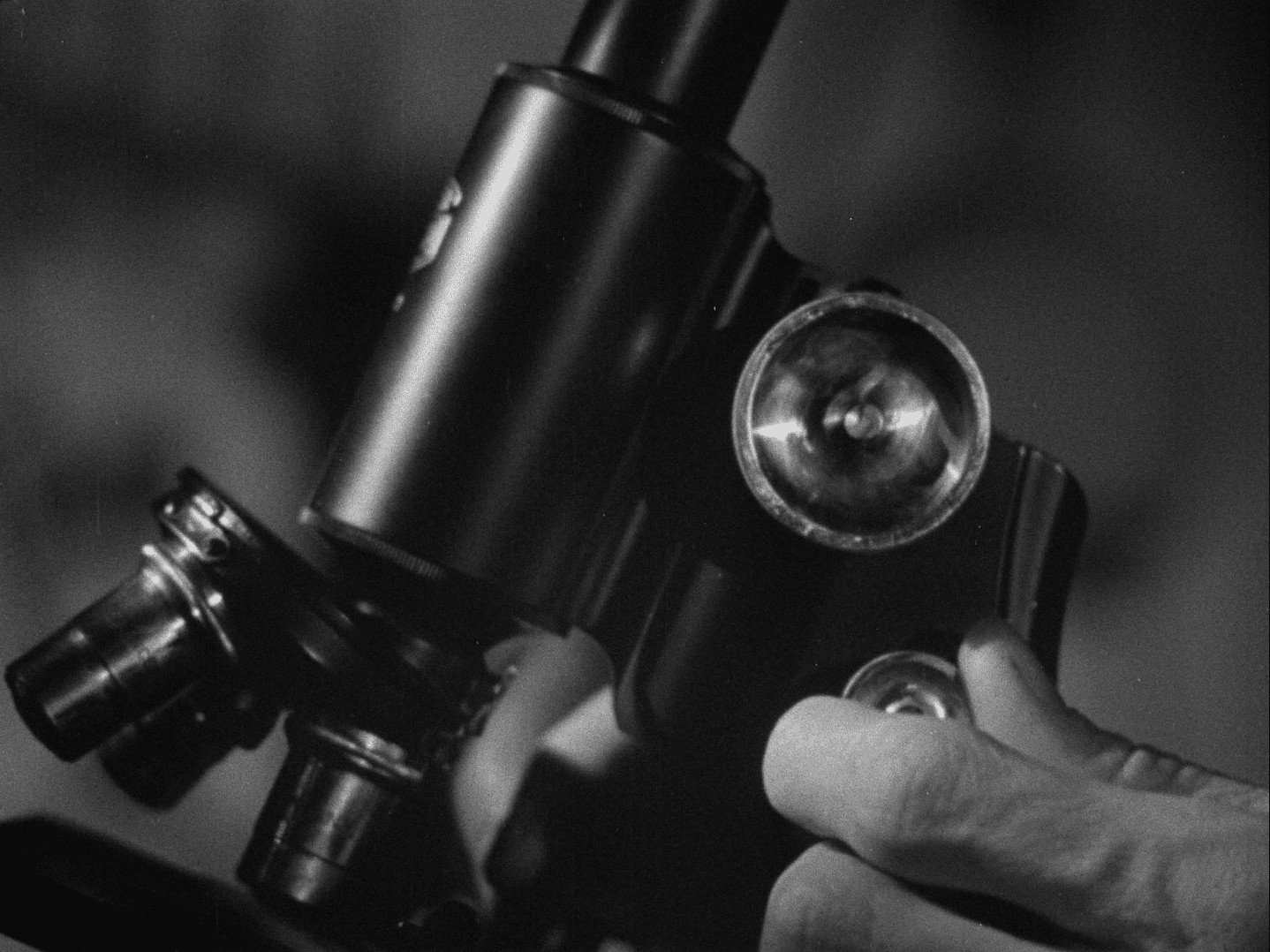
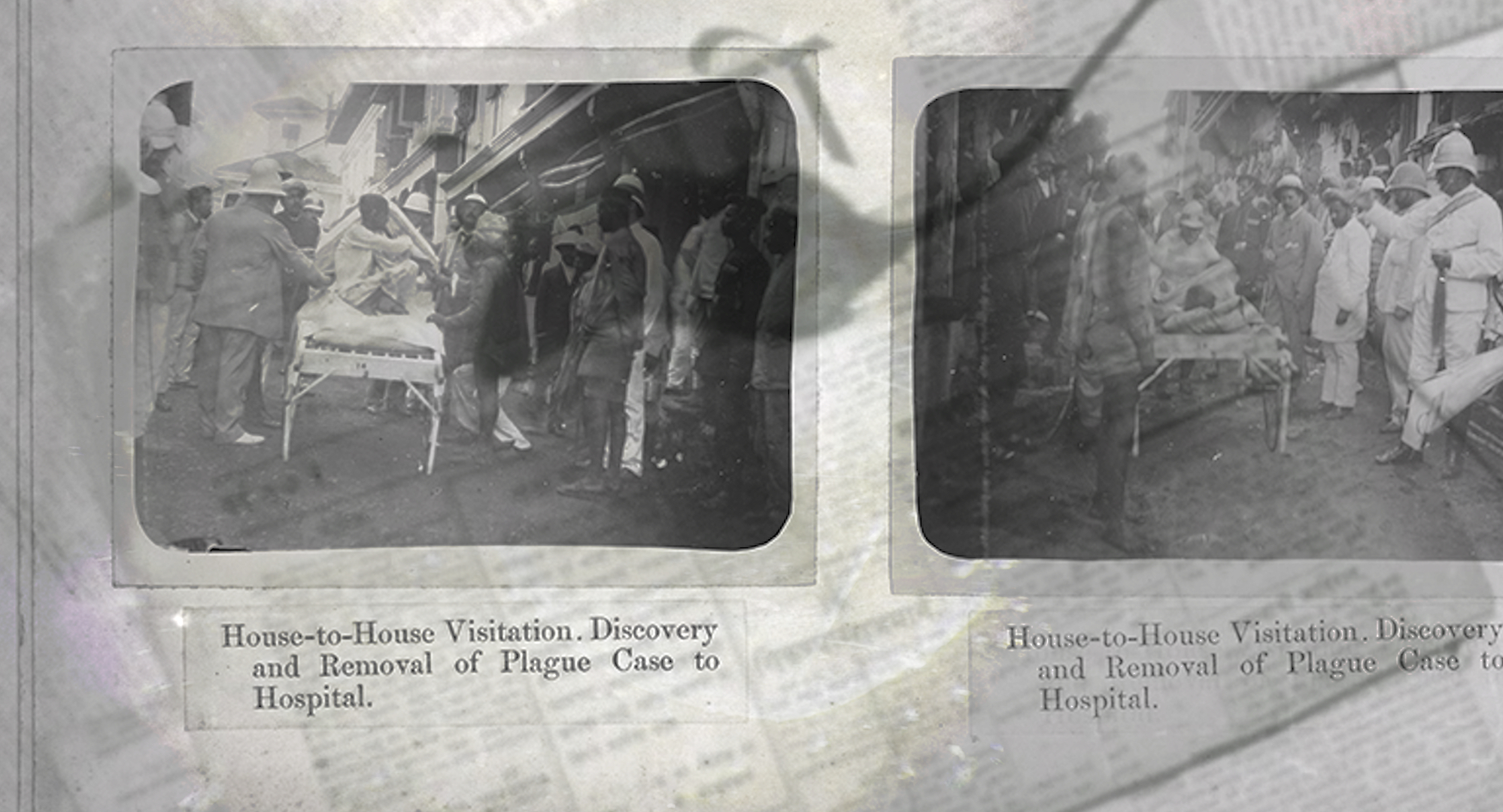
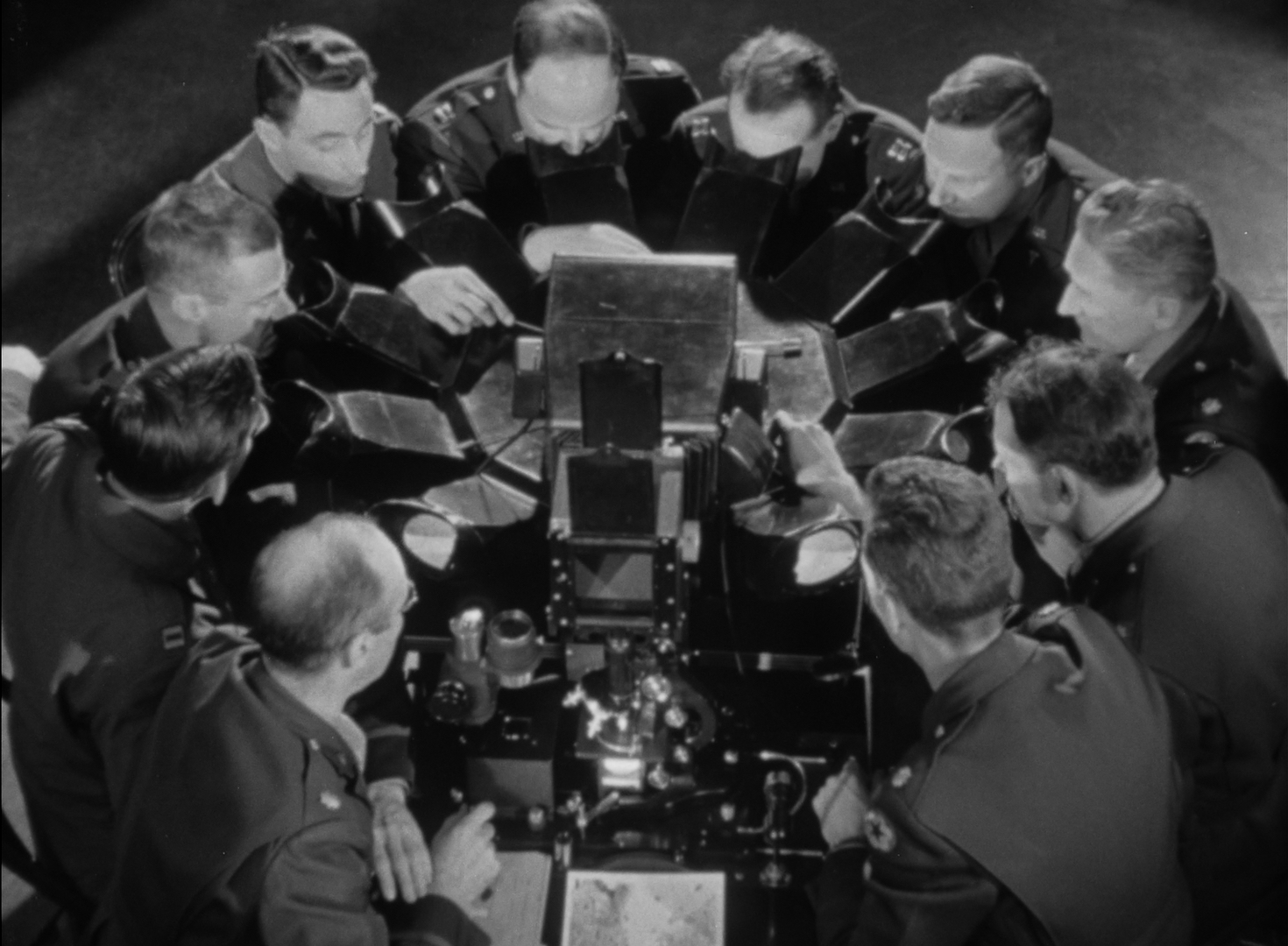
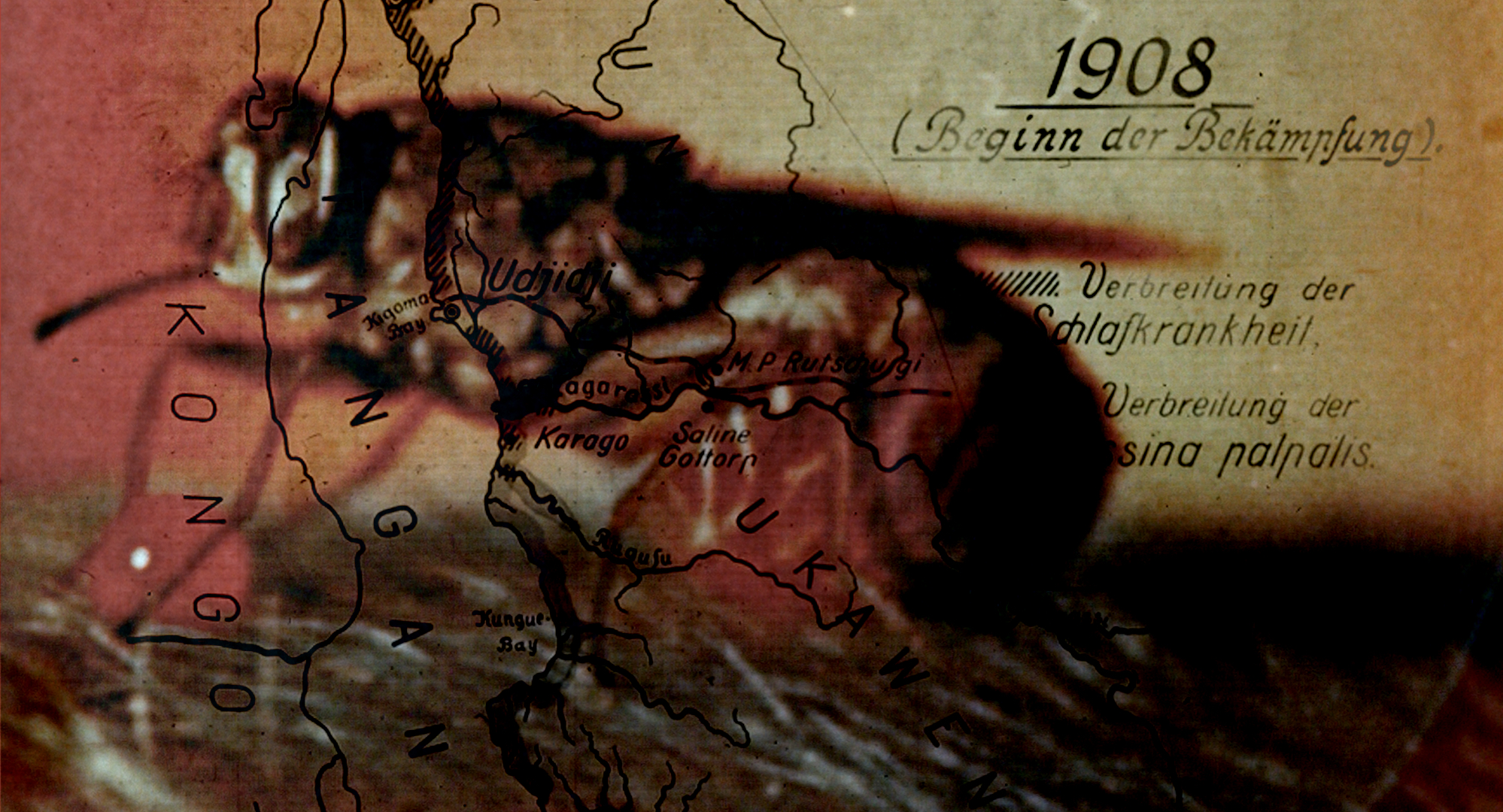
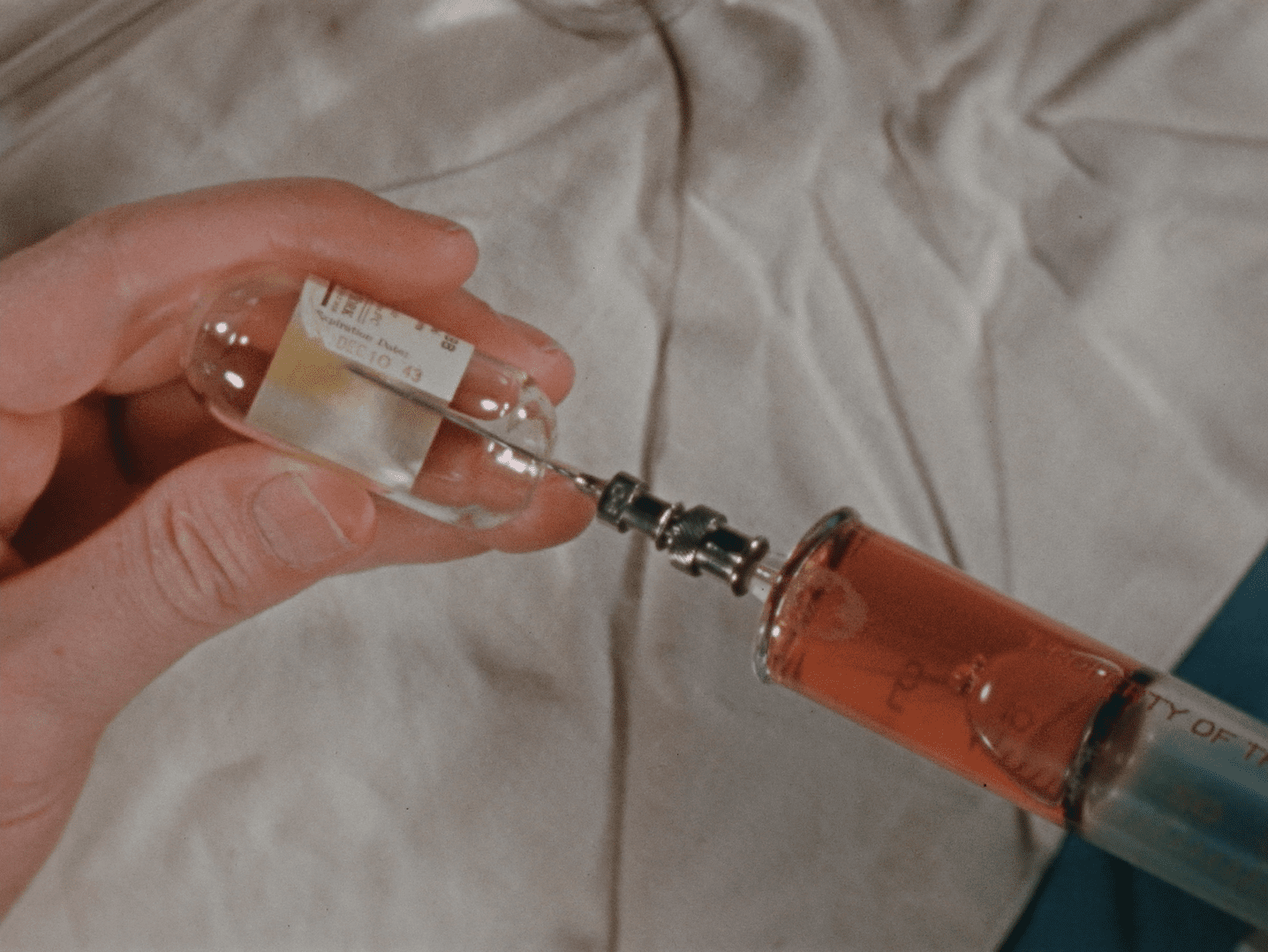
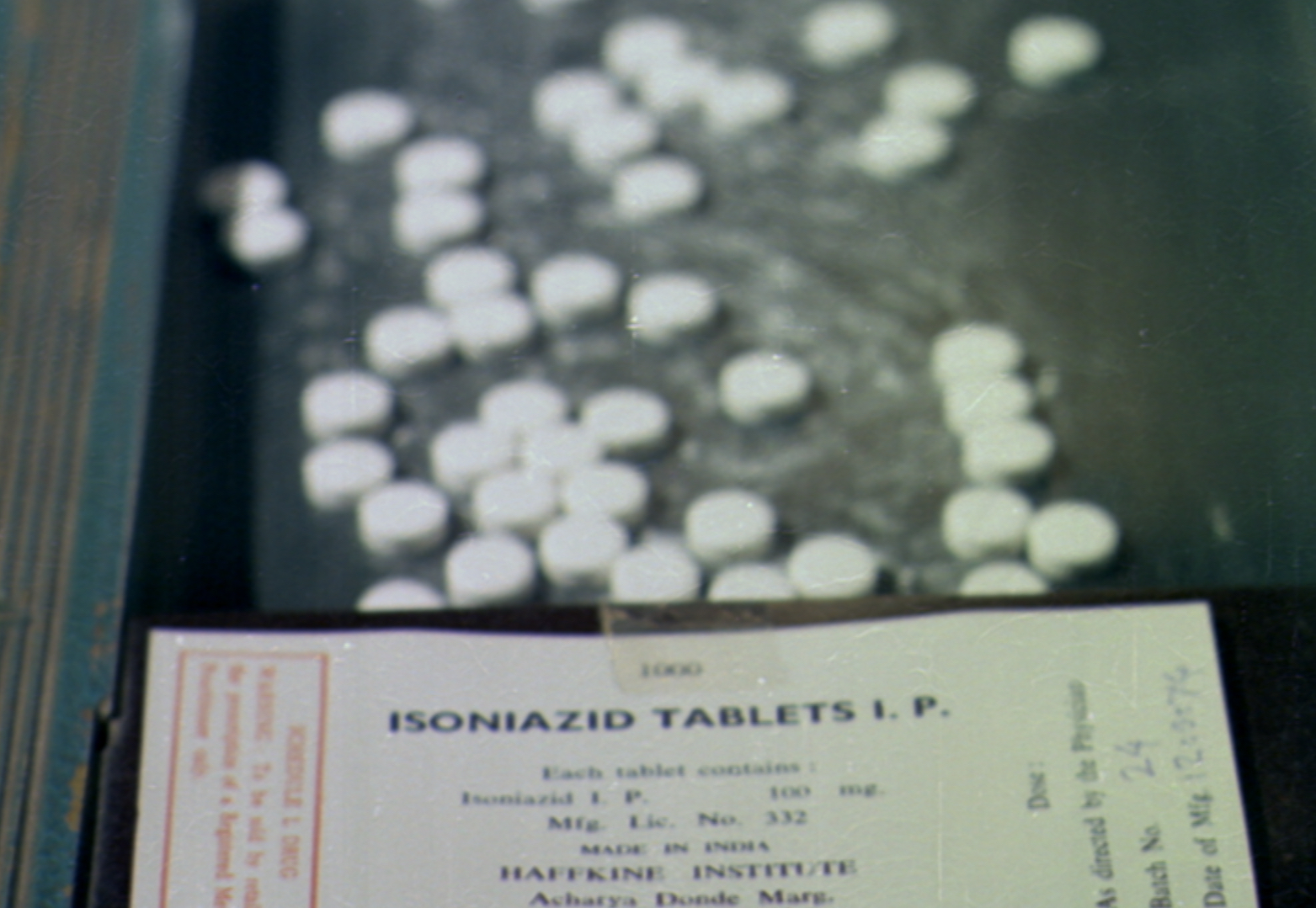
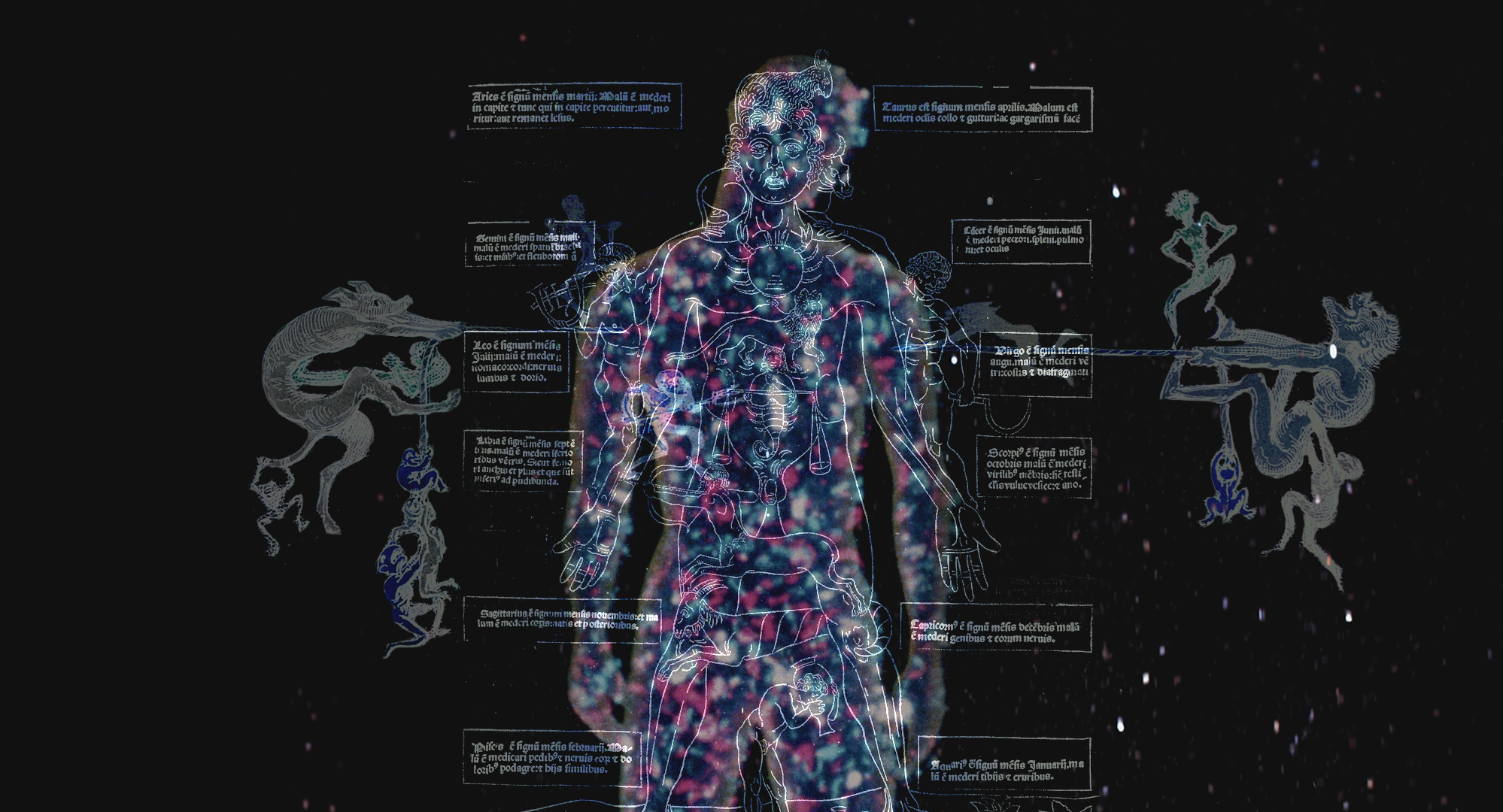
DIS-EASE is a feature-length documentary about how we imagine disease, and how that affects what we do when we encounter illness, outbreaks, doctors, treatments, and disability in real life. It dives deep into the weird, wild archives of medical imaging, public health messaging, and pop-culture outbreak narratives to understand how ideas have moved between science, science fiction, and political ideology over the past century.
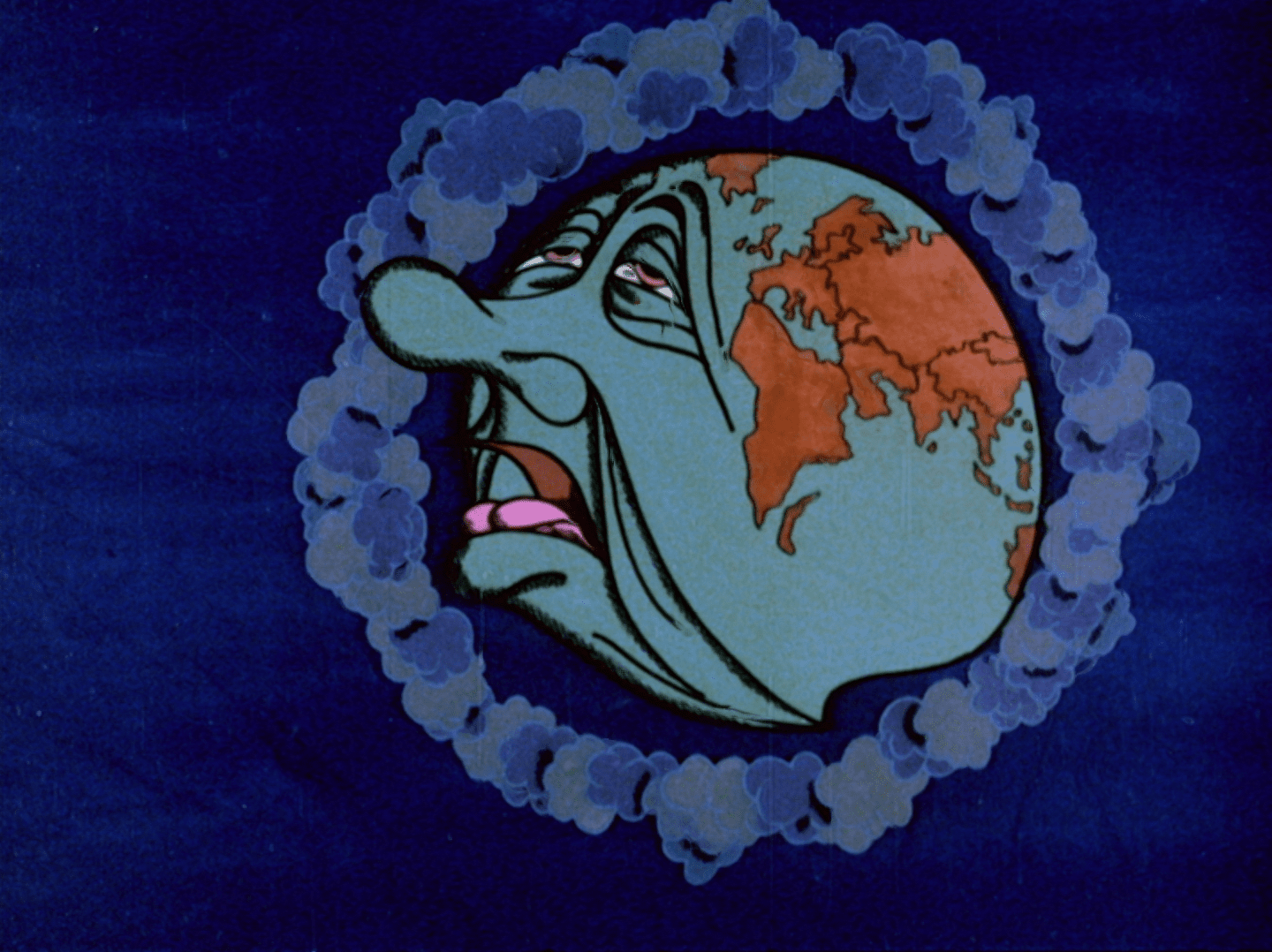
DIS-EASE is based on seven years of archival research and draws on interviews with 26 activists, journalists, scholars, and physicians. It identifies and breaks down three interrelated paradigms in the history of science and medicine: the “war on disease” popularized by germ theory, which metaphorically links human bodies and national bodies politic as equally threatened by invading alien forces; the white savior dynamic established by colonial medicine and re-inscribed by the neocolonial patterns of global public health; and the idea that individuals are morally responsible to maintain their own health through their individual choices, which often operates at the intersection of ableism, racism, and classism. The film interweaves fictional and nonfictional material to reveal the power of both kinds of outbreak narratives to shape scientific thinking and popular understanding, and the ways in which outbreak narratives from different periods reflect the cultural anxieties of those historical moments.
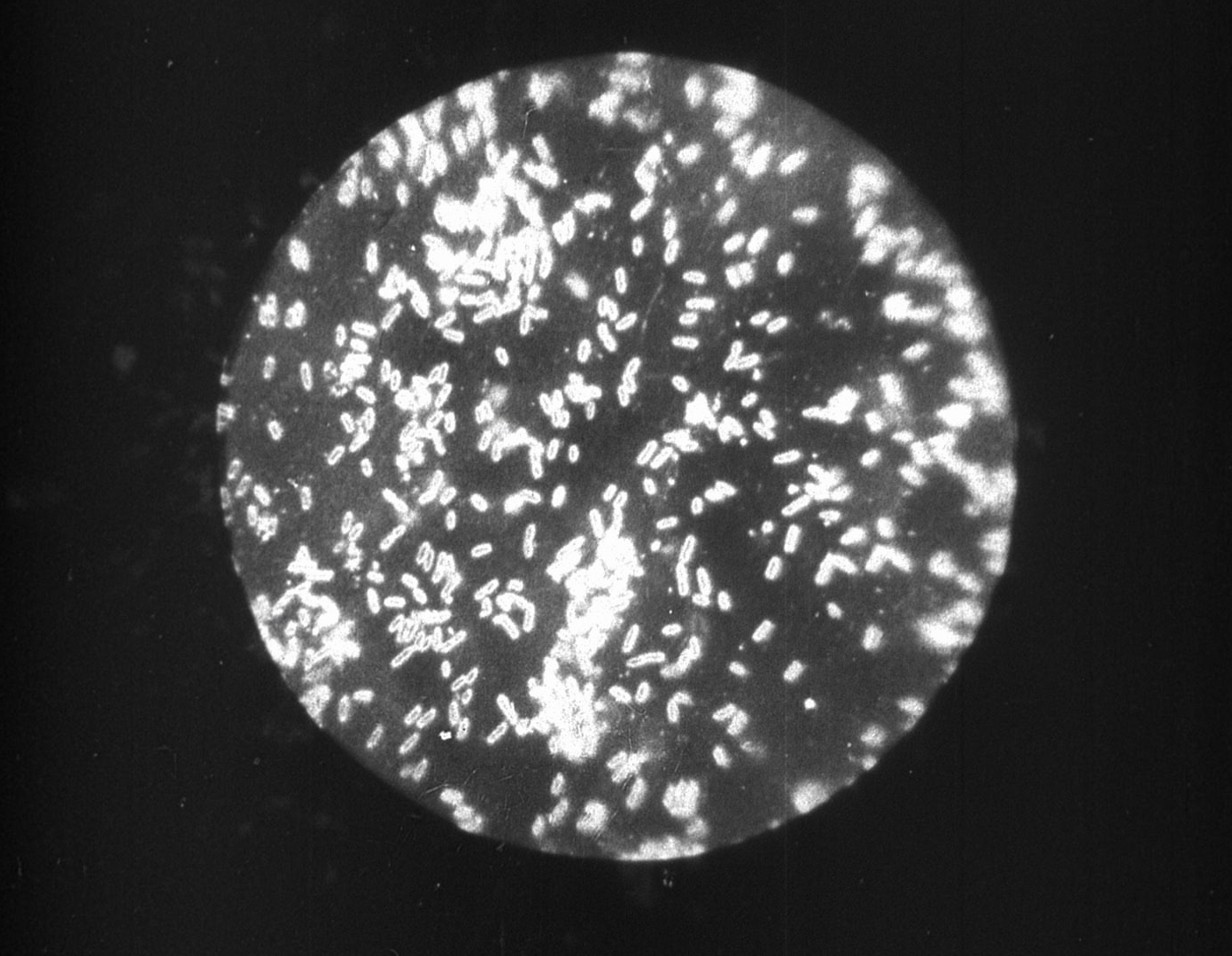
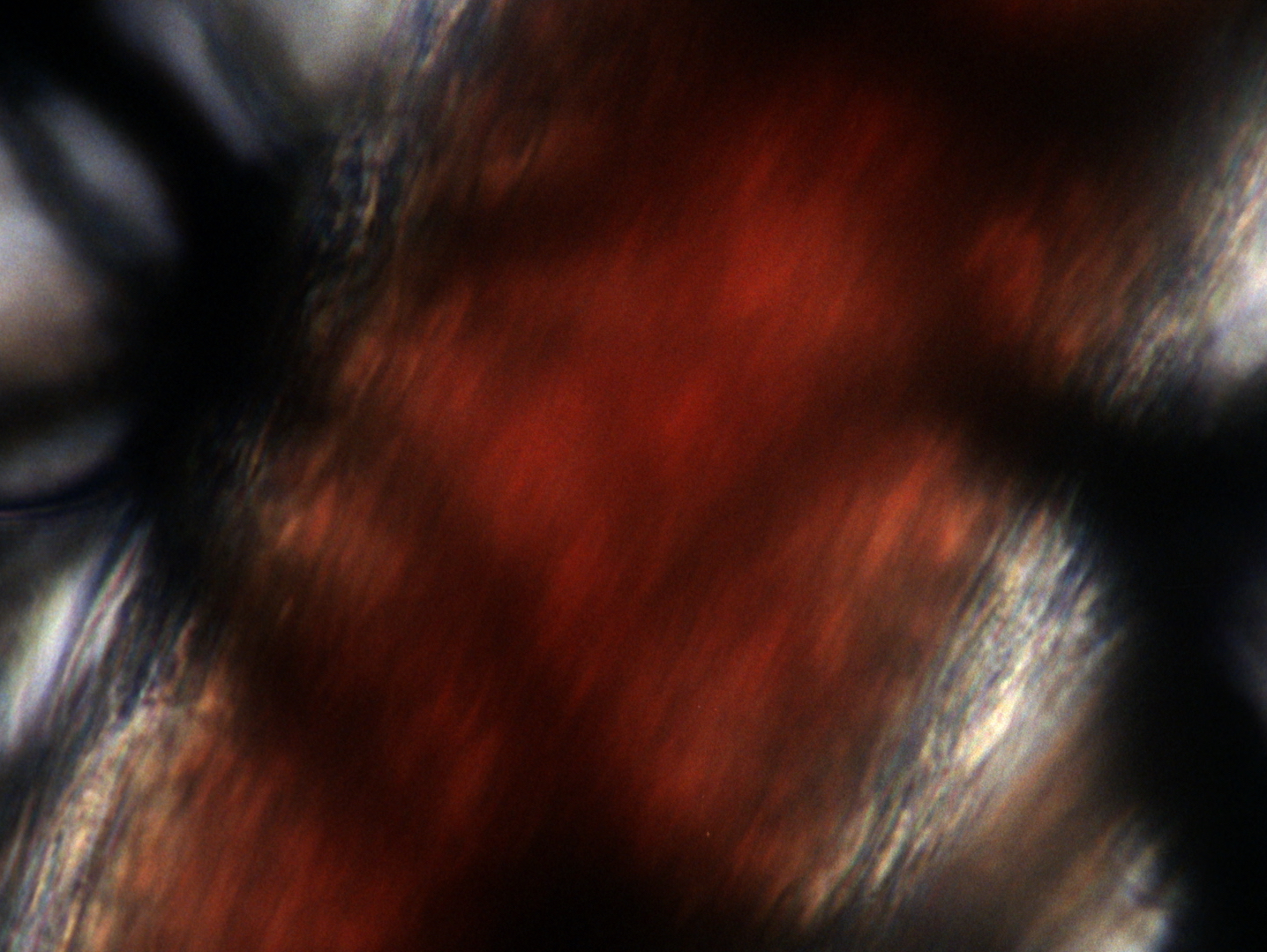
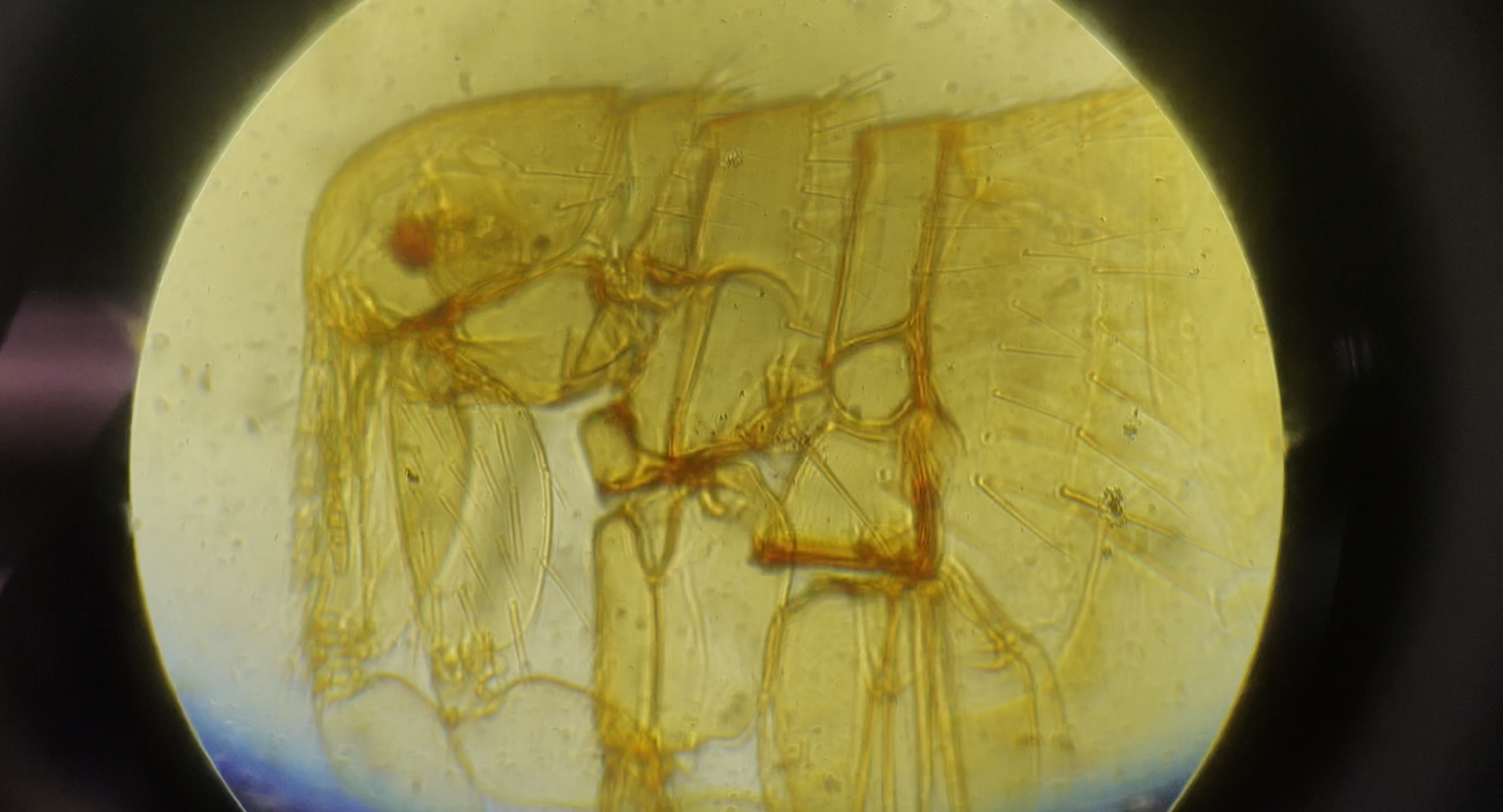
DIS-EASE is constructed in ten chapters that are loosely chronological. It begins with the emergence of germ theory in the late 19th century and ends by offering future prescriptions for a healthier world – calls to approach health care from a more holistic, more long-term, less violent, and less anthropocentric perspective. Visually, it moves from microscopic views, to individual patients, communities, national borders, and global outbreaks, ending with the ecosystem views of planetary health. Similarly, the score and sound design move between inner and outer spaces, inspired by the synth-driven scores of mid- to late-20th century science fiction and science documentaries.
Ultimately, DIS-EASE is a provocation to re-think how we define both the “public” and “health” in public health – who is included, what counts as care, and what it means to be sick or well.
SPECS
105 min, color & b/w
Spatialized 5.1 surround mix (theaters), true stereo mix (online)
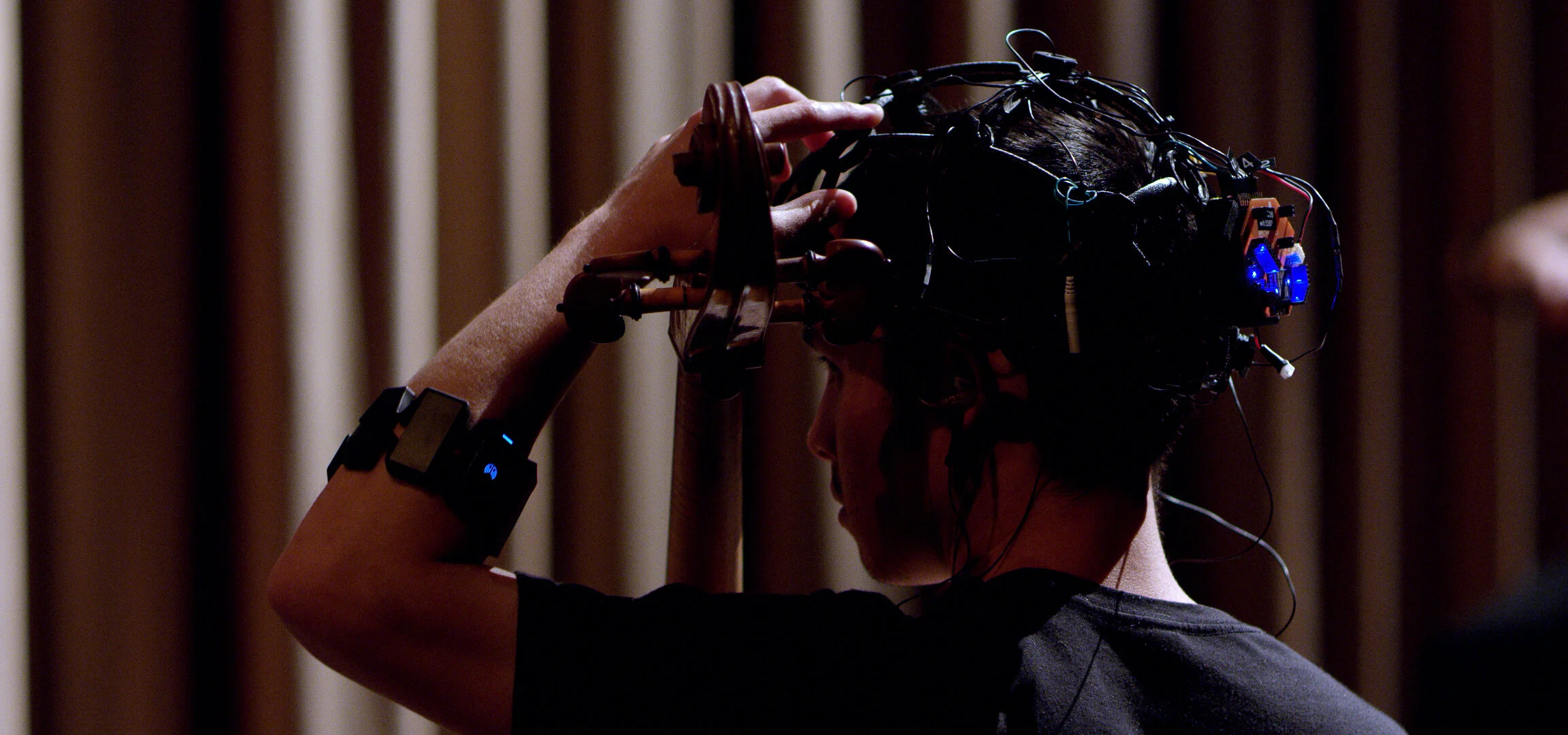
Shooting format: 4K (Sony, RED, microscopy camera)
Archival footage: 2K, HD and SD scans
Open or closed captions, with sound description
Audio description for the visually impaired
Distribution: Good Docs
production CREDITS:
Directed and produced by Mariam Ghani
Executive Producer: Alysa Nahmias
Consulting Producers: Day Al-Mohamed, Wendy Ettinger
Assistant Producer: Lou Wang-Holborn
Archival Producer: Peter Nauffts
Supervising DP: Adam Hogan
Consulting DP: Nausheen Dadabhoy
East Coast/Southern USA, Macro, and Fluid Dynamics
Cinematography & Sound: Adam Hogan
AC/DIT: Laura Stayton
Los Angeles Unit
Cinematography: Nausheen Dadabhoy
Sound Recordist: Vero Lopez
Driver and Swing: Brandon Phipps
United Kingdom Unit
Cinematography: Benjie Croce
Sound Recordists: Juan Martinez, Darko Mocilnikar
AC: Jamie Gettings, Nathan Webber
Hong Kong Unit
Cinematography: Edwin Lee
Sound/DIT: Fallout Media
Berlin Unit
Cinematography: Tom Costello
AC: Phillip Meise
Sound Recordist: Adam Toy
Additional Cinematography: Mariam Ghani, Alexey Tarasov
Fixer (Rwanda): Joseph Waweru NjataAssistant to the producer: Li-Ming Hu
Written and edited by Mariam Ghani & Emily Eberhart
Consulting editor: Penny Lane
Assistant editors: Hai-Li Kong, Jess Y. Lee
Editorial assistants: Mira Maxwell, Alexey Tarasov, Medha Ghosh, Jordan Eldridge
Online & archival restoration: Artists Tapes
Colorist: Laura Stayton
Titles & credits: Mariam Ghani
Original score by Qasim Naqvi
Published by Erased Tapes
Music supervisor: Derek McNeill
Sound design: Adam Hogan & Mariam Ghani
Sound engineering & mix: Adam Hogan
Interview research: Juliana Broad
Archival research: Harry Blain, Juliana Broad, Eileen Clancy, Jacob Clary, Emily Eberhart, Mariam Ghani, Floor Grootenhuis, Adrián Gutiérrez, Josh LaMore, Christian Lewis, Mira Maxwell, Peter Nauffts, Dilara O’Neil
Scanning electron microscope video, colorized SEM photographs, and 3D animated imagery of diseases courtesy of Thomas Hope at the Hope Lab, Northwestern University (Ebola, HIV), Anita Mora at the NIH/NIAID (Influenza), and Volker Brinckmann at the Max Planck Institute, Berlin (TB)
Production accountant: A to Zanna Bookkeeping
Production legal: Shades of Gray
Funding provided by the Wellcome Trust, Field of Vision, Educational Foundation of America, the Smithsonian Artist Research Fellowship, and the New York State Council on the Arts with the support of the Office of the Governor and the New York State Legislature
Research support provided by the Wellcome Collection, the Center for the Humanities at the Graduate Center, City University of New York, the New York Public Library, and the New York Academy of Medicine
Additional support provided by Artists Tapes, Experimental Media Arts @ UArk, the Women Make Movies Production Assistance Program, CPH:FORUM, and the Bennington College Provost & Dean’s Faculty Research Grants
Thanks to Ken Arnold, Mary Bassett, Rob Carmichael, Charlotte Cook, Sarah Choi, Eurie Chung, William A. Darity, João Rangel de Almeida, Harkiran Dhindsa, Abbie Doran , Johanna Fernandez, Kristen Fitzpatrick, Sarah Eilers, Tarek Ghani, Shana Gold, Saisha Grayson, Meghan Hughes, Julia Kaganskiy, Marisa Mazria Katz, Erin Ellen Kelly, Jeff Lee, Beth Pearson, Jayne Raper, Fay Rosenfeld, Mary Ryan, Laura Saladin, Angela Saward, Cleo Silvers, Tereza Simikova, Roddy Schrock, Keith Wilson, Debbie Zimmerman
Very special thanks to Carol Dysinger, Chitra Ganesh, Taylor Hirschberg, Jess Lee, Danielle Olsen, Svati Shah, Sabrina Sholts, and the team at Ryan Lee Gallery